The concept of smart homes has evolved rapidly over the last decade, and in India, the adoption of home automation and security systems is gaining significant traction. As urbanization accelerates and technology continues to influence every aspect of life, more Indian homeowners are looking for smarter ways to manage their homes. From controlling lights and appliances to ensuring the safety and security of their families, advanced smart home solutions are becoming an integral part of modern living.
In this blog, we’ll explore how advanced smart solutions are empowering Indian homes, making them safer, more efficient, and more convenient. Whether you’re considering home automation for the first time or upgrading an existing setup, the following advancements are redefining what it means to live in a connected home.
The Rise of Smart Homes in India
India, with its massive population and rapid urbanization, has always been a hub of innovation. However, the adoption of home automation in India has been slow compared to other global markets. In recent years, though, this trend has shifted. More Indian consumers are embracing the concept of home automation and security systems, spurred by increasing disposable incomes, a growing interest in technology, and the rising demand for convenience.
The IoT (Internet of Things) has become a driving force behind the home automation devices sector in India. With more than 500 million internet users in the country, the penetration of smartphones and smart devices has skyrocketed. As a result, smart home systems are no longer considered a luxury but an accessible part of modern living.
Why Indian Homes Are Going Smart
There are several reasons why Indian homeowners are gravitating toward smart home solutions. Some of the most compelling factors include:
1. Increased Security
The safety of family members and belongings is always a top priority. Advanced home automation and security systems offer features such as motion sensors, and automated locks that provide real-time alerts. With the integration of these devices, homeowners can keep an eye on their property remotely through apps, making it easy to respond to potential threats quickly.
Smart security solutions like automated smart home systems or home automation control systems can be integrated with local emergency services, making them even more effective in case of emergencies. In a country where crime rates can be a concern in certain urban areas, having a secure home automation system is becoming increasingly popular.
2. Energy Efficiency
India's rapidly growing population and energy consumption make energy conservation a major concern. Home automation devices like smart thermostats, lighting, and appliances help homeowners optimize energy usage. By using automated smart home systems, it’s possible to manage electricity consumption more efficiently. For instance, smart lights can be programmed to turn off when not in use, or thermostats can adjust based on occupancy, minimizing wastage.
IoT home automation systems also allow homeowners to monitor their energy usage in real-time, offering insights that can help reduce electricity bills. In a country where power outages are common in certain regions, house automation systems that incorporate backup power solutions are becoming increasingly essential.
3. Convenience and Control
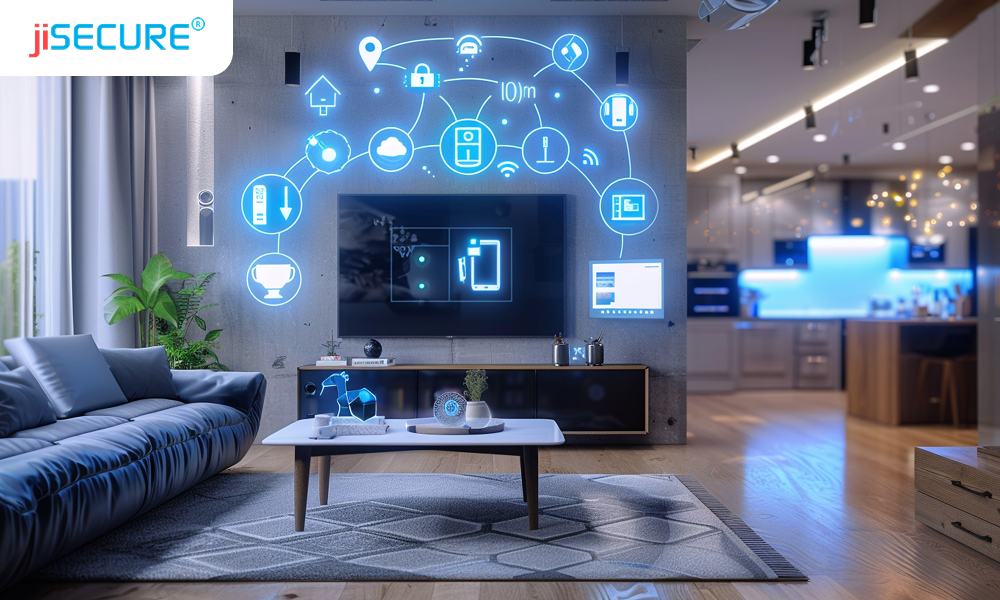
One of the main appeals of smart homes is the convenience they provide. Home automation control systems allow homeowners to control every device in their home with a single Android and iOS app. Whether you want to adjust your thermostat, turn off your lights, or lock your doors, everything can be controlled remotely from your phone.
The ability to automate daily tasks makes life more efficient. For instance, you can set up a diy home assistant to handle mundane tasks such as turning on your coffee machine in the morning or scheduling your air conditioning to switch off when you leave for work. Over time, these small changes add up to an overall improvement in the quality of life for residents.
4. Seamless Integration
With the advent of smart technologies, the integration between different devices and platforms has become easier than ever. Indian homeowners are increasingly relying on automation smart home systems that allow them to control lighting, entertainment systems, security, and climate all from one centralized platform. Whether it’s through Google Home, Amazon Alexa, or a custom app home automation solution, the ability to control and integrate various devices has made smart homes more attractive.
Additionally, new smart house systems such as Matter — an emerging industry standard for smart homes — promise improved interoperability, ensuring that devices from different manufacturers can work together harmoniously. This is particularly important in a diverse market like India, where consumers often prefer choosing the best home automation devices based on price and features.
Overcoming Challenges in Indian Smart Homes
While the adoption of smart home solutions is on the rise, there are still some challenges that need to be addressed in the Indian market. These challenges range from high initial investment costs to concerns over data privacy. Let’s explore some of these obstacles and the solutions that can overcome them.
1. Affordability
Although the prices of smart home devices have been steadily declining, the upfront cost of setting up a fully automated home can still be prohibitive for some families. However, as the market grows and competition increases, prices are expected to become more competitive. Additionally, DIY home assistant devices and home automation control systems offer budget-friendly options for those looking to dip their toes into home automation.
2. Connectivity Issues
One of the most common challenges in India’s smart home adoption is the variability in internet connectivity, especially in rural areas. Many IoT home automation solutions require stable, high-speed internet for optimal performance. However, with the government's push toward digital infrastructure and the increasing availability of high-speed broadband services, this challenge is expected to diminish over time.
3. Privacy Concerns
Smart home devices collect a vast amount of data, leading to concerns about privacy and cybersecurity. To address this, manufacturers are adopting stronger encryption methods and data protection standards to ensure the security of users' data. Homeowners should always prioritize secure home automation solutions that comply with industry standards to protect their privacy.
Future Trends in Indian Smart Homes
The future of home automation and security in India looks promising, with the adoption of new technologies and solutions expected to grow. Some key trends to watch out for include:
AI and Machine Learning Integration: Artificial Intelligence (AI) and machine learning technologies are set to revolutionize automated smart home systems. These technologies will allow devices to learn homeowner preferences and adjust settings autonomously, making the home even smarter.
Affordable Smart Solutions: As the Indian market matures, more budget-friendly home automation devices will become available, catering to the mass market. Affordable solutions like DIY home assistant kits and low-cost smart bulbs are already making their way into the hands of everyday consumers.
Energy Management and Sustainability: As environmental concerns continue to rise, energy-efficient and eco-friendly smart devices will play a crucial role in India’s future smart homes. Expect to see more home automation devices that promote sustainability, like solar-powered lights and water-saving systems.
Conclusion
Indian homes are becoming smarter, more secure, and more efficient thanks to advanced home automation solutions. From smart security systems to energy-efficient devices, Indian homeowners are now able to enhance their quality of life with the help of cutting-edge technology. As the market matures and technology becomes more affordable and accessible, the future of smart homes in India looks bright.
Whether you’re looking to install a few home automated systems or build a fully integrated smart house system, embracing the smart home revolution will undoubtedly empower your home. With companies like jiSECURE offering advanced, secure home automation solutions, you can rest assured that your home will not only be smarter but also safer and more sustainable.