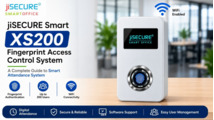
In today’s digitally connected world, security and convenience have become two of the most critical priorities for businesses, residential communities, educational institutions, healthcare facilities, and industrial environments. Traditional lock-and-key systems, once considered reliable, are now increasingly unable to meet the growing demands of modern security infrastructure. Lost keys, unauthorized duplication, lack of access tracking, and limited scalability have encouraged organizations to seek smarter and more intelligent solutions.
This is where smart lock controllers are transforming the landscape of access management. By integrating advanced technologies such as cloud computing, IoT (Internet of Things), biometric authentication, mobile applications, and AI-powered monitoring, smart lock controllers provide a secure, flexible, and automated way to manage access permissions in real time.
As organizations continue embracing digital transformation, smart lock controllers are becoming a vital component of modern security strategies. They not only improve operational efficiency but also help reduce security risks, streamline workflows, and enhance user experiences.
This blog explores how smart lock controllers are revolutionizing access management, their key benefits, applications across industries, and why businesses are increasingly investing in smart access technologies for the future.
Key Takeaways
Smart lock controllers are replacing traditional key-based systems with intelligent digital access management solutions.
Remote access control enables businesses to manage permissions and security operations from anywhere in real time.
Advanced authentication technologies such as biometrics and multi-factor authentication significantly strengthen facility security.
Smart lock systems improve operational efficiency through automation, centralized management, and seamless integrations.
Industries including healthcare, hospitality, education, and corporate enterprises are rapidly adopting smart access technologies.
AI, IoT, cloud computing, and mobile credentialing are shaping the future of intelligent access management systems.
Understanding Smart Lock Controllers
Smart lock controllers are intelligent access management systems that allow users to monitor, control, and automate entry permissions digitally. These systems replace traditional mechanical locking methods with technology-driven authentication processes such as mobile apps, RFID cards, biometrics, or cloud-based credentials.
A smart door lock controller acts as the central management unit that communicates with connected locks and verifies user credentials before granting access. The controller can operate locally, through cloud networks, or via hybrid environments depending on organizational needs. These systems are commonly used in:
Corporate offices
Residential buildings
Educational institutions
Hospitals
Hotels
Warehouses
Government facilities
Industrial plants
Smart lock controllers help organizations create a more secure, scalable, and efficient access management ecosystem.
Why Traditional Access Management Systems Are Becoming Obsolete
Traditional lock-and-key systems have several limitations that impact operational efficiency and security. Managing physical keys across multiple departments or buildings often becomes complex, expensive, and vulnerable to misuse.
Some major challenges include:
Lost or stolen keys
Unauthorized duplication
Lack of audit trails
High rekeying costs
Limited remote control
Difficulty managing employee turnover
No real-time monitoring capabilities
Modern businesses require dynamic access control solutions that provide flexibility, transparency, and centralized administration. Smart lock controllers address these challenges by introducing intelligent automation and digital security management.
How Smart Lock Controllers Are Revolutionizing Access Management
Access management has always been a core part of physical security, but the way organizations control entry has changed dramatically in recent years. Traditional lock-and-key systems are increasingly being replaced by intelligent, connected, and automated solutions that offer far greater control, visibility, and flexibility.
Smart lock controllers are at the center of this transformation. They are reshaping how businesses, institutions, and residential spaces manage who can enter, when they can enter, and under what conditions. By combining IoT, cloud computing, biometrics, mobile credentials, and real-time analytics, smart lock controllers are turning access management into a fully digital and intelligent process.
Below is a clear breakdown of how smart lock controllers are revolutionizing access management across modern environments.
1. Digital Access Control
One of the most fundamental changes introduced by smart lock controllers is the replacement of physical keys with digital credentials. Traditional systems depend on metal keys that can be lost, duplicated, or stolen, creating major security risks and administrative burdens. Smart lock controllers eliminate these issues by enabling secure digital access methods such as mobile apps, PIN codes, RFID cards, and biometric verification. Access can be granted or revoked instantly without changing locks or redistributing physical keys.
Key transformations include:
Elimination of physical key dependency
Instant digital credential issuance and revocation
Reduced risk of unauthorized duplication
Simplified access for users and administrators
Improved control over multiple entry points
2. Remote Access Management
Smart lock controllers allow administrators to manage access permissions from anywhere using cloud-based dashboards or SmartHome mobile applications. This remote capability is a major advancement over traditional systems that require on-site intervention. Remote access management improves responsiveness and ensures continuous security oversight.
Key improvements include:
Remote granting and revoking of access
Centralized control of multiple facilities
Instant response to security incidents
Flexible management for remote and hybrid teams
Reduced need for physical security presence
3. Strengthening Security
Security is significantly enhanced through modern authentication methods integrated into smart lock controllers. Unlike traditional systems that rely on a single key, smart systems use multiple layers of identity verification. As a result, access management becomes more secure, intelligent, and reliable.
Key security enhancements include:
Multi-factor authentication systems
Biometric identity verification
Encrypted digital credentials
Reduced risk of stolen or shared access
Real-time access validation
4. Providing Real-Time Monitoring
Smart lock controllers do more than just control access—they also provide detailed insights into how, when, and where access is being used. Every entry attempt is recorded and stored in secure digital logs, creating a complete audit trail.
This real-time visibility allows organizations to detect unusual behavior, improve accountability, and strengthen compliance with security policies.
Key monitoring advantages include:
Real-time access tracking
Detailed digital audit logs
Automated security alerts
Behavioral access pattern analysis
Improved compliance reporting
5. Automating Access Management Processes
Automation is one of the most powerful ways smart lock controllers are transforming access management. Instead of manually assigning permissions or tracking entries, organizations can automate access rules based on roles, schedules, or events.
Automation also improves efficiency across large organizations with complex access requirements.
Key automation benefits include:
Role-based access control (RBAC)
Time-based entry permissions
Automated onboarding and offboarding
Reduced manual security tasks
Consistent policy enforcement
6. Integration with Smart Ecosystems
Modern smart lock controllers are designed to integrate seamlessly with other digital systems, creating a connected security ecosystem. This includes integration with CCTV cameras, alarm systems, visitor management tools, and building automation platforms.
Such integration allows different systems to work together intelligently. For example, unauthorized access attempts can automatically trigger surveillance recording or alert security teams.
This interconnected environment improves response times and overall security effectiveness.
Key integration benefits include:
Unified security system management
Automated cross-system responses
Improved situational awareness
Better coordination across platforms
Enhanced building intelligence
7. Improving User Experience
Smart lock controllers are not only about security—they also significantly improve user convenience. Employees, residents, and visitors no longer need physical keys or manual check-ins.
Mobile access, biometric authentication, and contactless entry provide faster and smoother experiences. This reduces delays at entry points and enhances overall satisfaction. The key experience improvements include:
Faster and contactless entry
Mobile-based authentication
Reduced wait times at access points
Simplified visitor management
Streamlined daily operations
Key Benefits of Smart Lock Controllers
As businesses and organizations continue adopting digital technologies, the demand for smarter and more efficient security solutions is rapidly increasing. Traditional lock-and-key systems are no longer sufficient for managing modern security challenges, especially in environments that require real-time monitoring, flexible access permissions, and centralized control. Below are some of the key benefits that make smart lock controllers an essential component of modern security infrastructure.
1. Enhanced Security and Threat Protection
One of the biggest advantages of smart lock controllers is their ability to provide advanced security compared to traditional lock-and-key systems. These systems use modern authentication technologies such as biometrics, PIN verification, RFID cards, facial recognition, and mobile credentials to ensure that only authorized individuals can gain access to restricted areas.
Unlike physical keys that can be lost, duplicated, or stolen, smart lock controllers offer encrypted digital authentication methods that significantly reduce security vulnerabilities. Many systems also include real-time alerts and activity tracking, allowing administrators to monitor suspicious activities instantly and respond quickly to potential threats.
2. Remote Access Management
Smart lock controllers provide unmatched convenience by allowing administrators to manage access permissions remotely from smartphones, tablets, or centralized cloud dashboards. This eliminates the need for physical key distribution and manual access coordination.
Whether employees are working remotely, vendors require temporary access, or visitors need scheduled entry permissions, administrators can instantly authorize or revoke access from any location. This flexibility is especially valuable for businesses operating across multiple offices, warehouses, or facilities.
3. Improved Operational Efficiency
Smart lock controllers automate many traditional access management processes, helping businesses streamline operations and reduce manual tasks. Instead of relying on physical security teams or manual recordkeeping, organizations can automate access scheduling, attendance tracking, visitor management, and entry approvals.
Automation significantly reduces human error while improving workflow coordination across departments and facilities. Employees can move seamlessly through authorized areas without delays, and administrators can manage permissions with minimal effort.
4. Real-Time Monitoring and Audit Trails
Smart lock controllers provide complete visibility into access activities through detailed audit logs and real-time monitoring capabilities. Every entry attempt, successful authentication, denied access request, and security event is recorded digitally.
This transparency allows organizations to monitor employee movement, identify unusual behavior patterns, and investigate security incidents more effectively. Real-time monitoring also improves compliance management for industries with strict regulatory requirements.
5. Scalability and Flexibility
Smart lock controllers are highly scalable, making them ideal for organizations of all sizes. Whether a company operates from a single office or multiple global locations, these systems can easily expand without requiring major infrastructure changes.
Organizations can add new doors, users, facilities, or security integrations as operational requirements evolve. This flexibility helps businesses future-proof their security infrastructure while adapting to growth and technological advancements.
This makes smart lock controllers a long-term investment for organizations seeking sustainable and scalable access management solutions.
Cost Savings and Reduced Maintenance
Although smart lock controllers may require an initial investment, they help organizations reduce long-term operational and maintenance costs significantly. Traditional lock systems often involve expenses related to lost keys, lock replacements, rekeying services, and manual security administration.
Digital access management minimizes these recurring costs while improving resource utilization. Businesses can also reduce dependency on physical security personnel by automating monitoring and access control processes.
Cost-saving benefits include:
1. Better User Experience
Modern smart lock systems provide a seamless and user-friendly experience for employees, residents, guests, and visitors. Mobile-based credentials, biometric authentication, and touchless entry methods eliminate the inconvenience of carrying physical keys or remembering multiple passwords.
In industries such as hospitality, healthcare, and corporate enterprises, contactless access also improves hygiene, convenience, and customer satisfaction. Employees and users can enjoy faster and smoother entry experiences while maintaining high security standards.
2. Seamless Integration
Smart lock controllers can integrate with a wide range of technologies and building management systems, creating a fully connected security ecosystem. These integrations improve automation, coordination, and centralized monitoring capabilities.
Applications of Smart Lock Controllers Across Industries
Smart lock controllers are no longer limited to high-security facilities or luxury smart homes. Today, they are being widely adopted across industries due to their flexibility, scalability, and ability to provide intelligent access management. From securing sensitive data in corporate environments to improving guest experiences in hotels, these systems are transforming how organizations control and monitor access.
1. Corporate Offices and Enterprises
Smart lock controllers are widely used in corporate environments to manage employee access, secure sensitive departments, and improve workplace security. Modern businesses require flexible access control systems that can adapt to hybrid work models and dynamic employee roles.
2. Healthcare and Medical Facilities
Hospitals and healthcare institutions handle highly sensitive data, medications, and restricted medical zones that require strict access control. Smart lock controllers help healthcare providers protect patients, staff, and critical resources by ensuring that only authorized individuals can access specific areas. They also support compliance with healthcare regulations and improve operational safety in emergency situations.
3. Education and Academic Institutions
Schools, colleges, and universities are increasingly adopting smart lock controllers to secure campuses and manage access to academic and administrative facilities. With large student populations and multiple buildings, traditional key-based systems are no longer efficient. Smart access systems help educational institutions maintain safety while allowing controlled movement across campus facilities.
4. Hospitality and Hotel Industry
The hospitality sector has embraced smart lock controllers to enhance guest experience, streamline check-in processes, and improve room security. Hotels and resorts are shifting from traditional key cards to mobile-based and contactless access systems.
This transition not only improves convenience but also reduces operational costs associated with lost or reissued keys.
5. Warehousing and Supply Chain
In warehouses and logistics centers, controlling access to inventory and high-value goods is critical. Smart lock controllers provide advanced security and monitoring capabilities that help prevent theft, unauthorized entry, and operational inefficiencies. They also improve workforce management and ensure that only authorized personnel can access sensitive storage zones.
6. Residential Communities
Smart lock controllers are becoming a standard feature in modern residential societies and smart homes. Homeowners and housing communities are increasingly adopting digital access solutions for enhanced safety and convenience. These systems eliminate the need for physical keys while offering remote access control and real-time monitoring.
7. Manufacturing Facilities
Manufacturing plants and industrial facilities often contain sensitive machinery, restricted zones, and high-risk operational areas. Smart lock controllers help ensure workplace safety by restricting access based on roles and responsibilities. They also support compliance with industrial safety regulations and improve operational monitoring.
Emerging Technologies Shaping Smart Lock Controllers
The evolution of smart lock controllers is being driven by rapid advancements in digital technologies, automation, and intelligent security systems. Modern access management solutions are no longer limited to basic locking mechanisms; they are becoming smarter, more connected, and highly responsive to real-time security requirements.
1. Artificial Intelligence (AI)
AI-powered systems analyze access patterns, detect suspicious behavior, and automate security responses intelligently.
2. Cloud-Based Access Management
Cloud technology enables centralized remote access management across multiple facilities and geographic locations.
3. Internet of Things (IoT)
IoT integration enhances device communication, enabling seamless automation and real-time monitoring.
4. Mobile Credentialing
Smartphones are increasingly replacing traditional access cards, improving convenience and reducing hardware dependency.
5. Facial Recognition Technology
Advanced facial recognition systems provide touchless and highly secure authentication experiences.
Future of Access Management With Smart Lock Controllers
The future of access management is becoming increasingly intelligent, automated, and data-driven. Smart lock controllers will continue evolving with advancements in AI, machine learning, predictive analytics, and cloud technologies.
Future systems may offer:
AI-driven threat prediction
Voice-based authentication
Autonomous security responses
Blockchain-based access control
Hyper-personalized access permissions
Fully touchless entry ecosystems
As businesses embrace digital transformation, smart lock controllers will become essential components of intelligent building infrastructure and enterprise security strategies.
Conclusion
At jiSECURE, we believe that smart lock controllers are transforming the future of access management by combining security, automation, and convenience into one intelligent ecosystem. As organizations continue adopting digital-first infrastructures, the need for advanced access control solutions will only continue to grow.
Smart lock controllers not only enhance physical security but also improve operational efficiency, simplify administrative processes, and provide real-time visibility across facilities. From remote access management to AI-powered authentication, these technologies are helping businesses build smarter, safer, and more connected environments.
By investing in modern smart access solutions, organizations can strengthen security frameworks, reduce operational complexities, and stay prepared for evolving business and security challenges. At jiSECURE, we remain committed to delivering innovative and reliable security technologies that empower businesses to protect their assets, people, and operations with confidence.
Frequently Asked Questions
1. What is a smart lock controller?
A smart lock controller is a digital access management system that controls and automates entry permissions using technologies such as biometrics, mobile apps, PINs, RFID cards, or cloud-based authentication systems.
These systems help organizations improve security, monitor access activity, and manage permissions remotely in real time.
2. How do smart lock controllers improve security?
Smart lock controllers enhance security through advanced authentication methods, real-time monitoring, encryption technologies, and automated access management capabilities.
They reduce risks associated with lost keys, unauthorized duplication, and manual security processes while improving visibility into facility access activities.
3. Can smart lock controllers be managed remotely?
Yes, most modern smart lock controllers support remote management through cloud-based platforms or mobile applications.
Administrators can grant access, revoke permissions, monitor activity logs, and control facility security from virtually anywhere.
4. Which industries benefit from smart lock controllers?
Smart lock controllers are widely used across industries such as healthcare, hospitality, education, logistics, manufacturing, corporate enterprises, and residential communities.
These systems help organizations improve security, operational efficiency, and access management flexibility.
5. Are smart lock controllers suitable for small businesses?
Yes, smart lock controllers are highly scalable and suitable for businesses of all sizes.
Small businesses can benefit from improved security, reduced administrative workload, remote access management, and cost savings associated with digital access control systems.