- Mar 09, 2026
Share this post on:
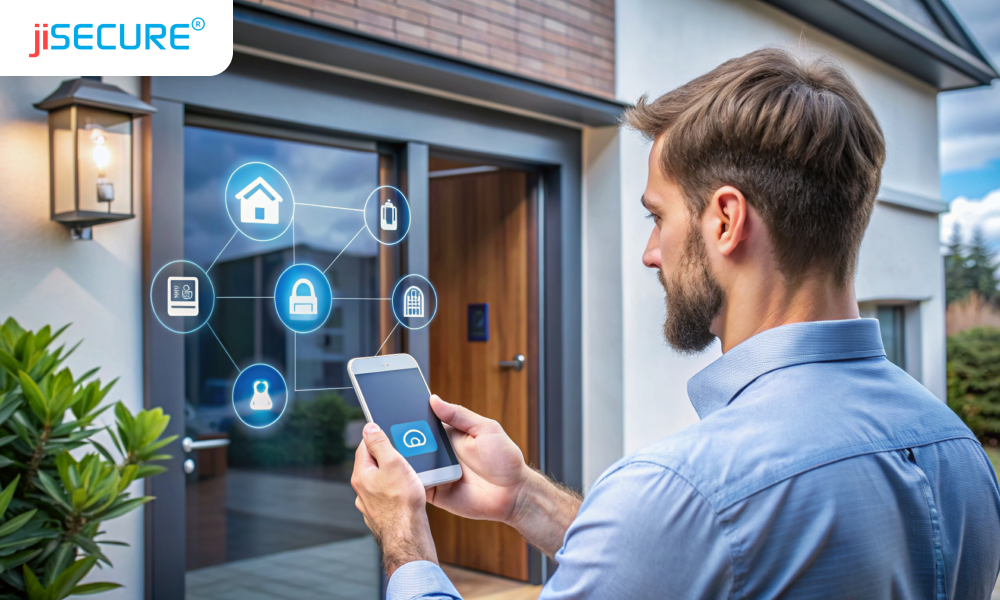
The future of connected living is accelerating faster than ever. By 2035, the Smart Home Solutions Market is projected to soar to an impressive USD 353.9 billion, expanding at a strong 12.3% CAGR from its 2025 valuation of USD 111.0 billion, signaling a decade of rapid innovation, convenience, and intelligent living worldwide.
The way we live is changing, and our homes are evolving with us. What was once considered futuristic is now becoming standard in modern households. Smart home solutions are transforming traditional homes into intelligent living spaces that adapt, respond, and simplify daily life.
From automated lighting and voice-controlled assistants to AI-powered security and energy management systems, smart home technology is redefining convenience and safety. With increasing internet penetration, IoT (Internet of Things) expansion, and advanced mobile connectivity, homeowners are embracing automation to gain more control over their living environments.
In a world where time is precious and security is essential, smart home solutions are no longer a luxury, they are becoming a necessity.
Key Takeaways
• Integrated surveillance systems, smart locks, and real-time alerts provide 24/7 protection and greater peace of mind.
• Intelligent lighting, climate control, and energy monitoring systems help reduce electricity consumption and lower utility bills.
• Homeowners can manage devices, monitor security, and adjust settings from anywhere using mobile apps or voice assistants.
• Scene-based automation, voice control, and personalized settings simplify daily routines and enhance lifestyle experiences.
• Smart home technology increases property value, supports sustainable living, and prepares homes for future technological advancements.
What Are Smart Home Solutions?
Smart home solutions refer to a network of interconnected devices and systems that automate and control various household functions through internet connectivity. These systems allow homeowners to monitor, manage, and automate appliances, lighting, security, entertainment, and more — remotely or automatically.
Popular smart home ecosystems include platforms like:
• jiSECURE Smart Home
• Amazon Alexa
• Google Home (Google Assistant)
• Apple HomeKit
These platforms integrate devices such as smart thermostats, security cameras, smart locks, sensors, lighting systems, and entertainment devices into one unified system. In simple terms, smart home solutions turn ordinary homes into intelligent spaces that respond to your lifestyle.
What is the Need to Invest in Smart Home Solutions?
Investing in smart home technology is no longer a luxury reserved for tech enthusiasts. It has become a practical decision driven by modern lifestyle demands. Here is why investing in smart home solutions makes sense:
1. Enhanced Security:
Security is one of the biggest reasons homeowners adopt automation. Smart surveillance cameras, motion sensors, smart doorbells, and automated locks provide real-time monitoring and instant alerts.
You can:
• Monitor your home remotely
• Receive instant intrusion notifications
• Lock or unlock doors from anywhere
• Record and store footage securely
This level of control significantly reduces risks and increases peace of mind.
2. Energy Efficiency & Cost Savings:
Smart thermostats, automated lighting, and intelligent power management systems help reduce unnecessary energy consumption.
For example:
• Lights turn off automatically when rooms are empty
• Thermostats adjust based on occupancy
• Appliances operate during off-peak hours
Over time, this reduces electricity bills and contributes to environmental sustainability.
3. Convenience & Comfort:
Imagine waking up to curtains opening automatically, lights gradually brightening, and your coffee machine starting on schedule.
Smart homes simplify daily routines by:
• Automating repetitive tasks
• Allowing voice commands
• Enabling remote access via mobile apps
Convenience becomes effortless.
4. Increased Property Value:
Homes equipped with smart systems often attract more buyers and command higher resale value. Modern buyers prioritize security, energy efficiency, and integrated technology. Smart upgrades make properties future-ready.
5. Remote Access & Control:
Whether you are at work or traveling abroad, smart home systems allow complete remote management. Forgot to switch off the lights? Want to check who rang the doorbell? Everything is accessible via your smartphone. This remote capability is a game-changer in modern living.
Smart Home Solutions: Use Cases
Smart home solutions have evolved far beyond basic automation. Today, they create fully connected ecosystems where devices communicate, respond intelligently, and enhance every aspect of daily living. From improving security and reducing energy consumption to elevating entertainment experiences and supporting elderly care, smart home technology has a wide range of practical, real-world applications.
Below is an in-depth look at the diverse and impactful use cases of smart home solutions.
1. Advanced Home Security & Surveillance:
Security remains the most compelling reason homeowners invest in smart automation. Modern systems integrate surveillance cameras, motion sensors, smart locks, and alarm systems into a unified security network.
Key Use Cases:
• 24/7 live CCTV monitoring via mobile apps
• Motion-triggered alerts with instant notifications
• Smart locks with biometric, PIN, or app-based access
• Video doorbells with two-way communication
• Perimeter intrusion detection
Voice-enabled ecosystems like Amazon Alexa and Google Assistant allow users to check door status or view camera feeds hands-free.
Real-Life Scenario:
A homeowner receives an instant alert when someone approaches the front door. They can speak to the visitor remotely and unlock the door for a trusted guest — even if they are miles away.
This proactive approach significantly enhances safety and control.
2. Intelligent Lighting Automation:
Lighting automation enhances ambiance, convenience, and energy savings. Smart lighting systems can be scheduled, remotely controlled, or activated by motion sensors.
Practical Applications:
• Automatic lights when entering a room
• Scheduled sunrise and sunset lighting
• Dimming options for mood or movie nights
• Outdoor security lighting activation
Smart lighting can simulate occupancy while homeowners are away, discouraging potential intruders. Additionally, integration with daylight sensors helps adjust brightness based on natural light, reducing electricity usage.
3. Climate & HVAC Optimization:
Heating and cooling account for a significant portion of household energy consumption. Smart thermostats and HVAC systems improve efficiency by learning user preferences.
Use Cases:
• Automatic temperature adjustments based on occupancy
• Remote AC control before arriving home
• Zoned temperature control for different rooms
• Seasonal automation settings
Integration with platforms like Apple HomeKit or Google Home enables centralized management through a single dashboard.
This ensures optimal comfort while minimizing energy waste.
4. Voice-Controlled Home Management:
Voice assistants such as Apple Siri have revolutionized device interaction. Users can control multiple systems without touching a device.
Everyday Uses:
• Switching lights on/off
• Adjusting thermostat settings
• Playing music
• Locking doors
• Setting reminders or timers
Voice control improves accessibility for elderly individuals and enhances multitasking convenience.
5. Smart Entertainment & Media Integration:
Modern smart homes create immersive entertainment experiences.
Common Use Cases:
• One-touch “Movie Mode” that dims lights and activates home theater
• Multi-room synchronized audio systems
• App-based control for TVs and streaming devices
• Voice-activated music playback
Automation simplifies entertainment management and enhances relaxation at home.
6. Smart Kitchen & Appliance Automation:
The kitchen is becoming a hub for innovation with intelligent appliances.
Examples:
• Refrigerators that track grocery inventory
• Smart ovens controlled via mobile apps
• Automated coffee machines
• Leak detection sensors under sinks
Homeowners can preheat ovens remotely, receive maintenance alerts, and reduce food waste through smart notifications.
Conclusion
Smart home solutions are redefining modern living by combining automation, security, efficiency, and comfort into one intelligent ecosystem. From advanced surveillance and energy management to voice-controlled convenience and lifestyle personalization, smart automation is no longer a futuristic concept, it is a practical solution for today’s dynamic world.
As technology continues to evolve, homes are becoming smarter, safer, and more responsive. The integration of AI, IoT, and secure connectivity ensures that homeowners enjoy greater control, improved energy efficiency, and enhanced peace of mind.
At jiSECURE, we are committed to delivering innovative and reliable smart home solutions tailored to your unique needs. Our expertise in advanced automation and security integration ensures that your home is not only intelligent but also protected and future-ready.
With jiSECURE, you don’t just adopt technology, you embrace a smarter, safer, and more convenient way of living. Let us help you transform your home into a seamless smart ecosystem designed for comfort, control, and complete peace of mind.
Frequently Asked Questions
1. What are the main components of a smart home system?
A smart home system typically includes several integrated components that work together seamlessly:
• Smart lighting systems
• Smart thermostats and HVAC controls
• Security cameras and smart locks
• Central control hubs or mobile applications
These components communicate through Wi-Fi or IoT networks to automate and manage household functions efficiently.
2. Are smart home solutions secure from cyber threats?
Yes, smart home systems can be highly secure when proper precautions are implemented:
• Use strong, unique passwords for all devices
• Enable two-factor authentication (2FA)
• Regularly update device firmware and software
• Secure your home Wi-Fi network with encryption
Choosing a trusted and professional provider also ensures proper configuration and cybersecurity standards.
3. Can smart home systems help reduce electricity bills?
Absolutely. Smart home solutions are designed to optimize energy usage and minimize waste:
• Automatically turn off unused lights and appliances
• Adjust heating and cooling based on occupancy
• Monitor real-time energy consumption
• Schedule devices to operate during off-peak hours
Over time, these optimizations lead to noticeable savings on utility bills.
4. Is smart home automation suitable for apartments and small homes?
Yes, smart home solutions are scalable and customizable for properties of all sizes. Whether it’s a compact apartment or a large villa, automation systems can be tailored according to space, lifestyle, and budget. Many smart devices are wireless and easy to install, making them ideal for rental properties as well.
5. Can I control my smart home when I am away?
Yes, remote access is one of the biggest advantages of smart home technology:
• Monitor security cameras in real time
• Lock or unlock doors remotely
• Control lighting and appliances from anywhere
• Receive instant alerts and notifications
With mobile app integration, you can manage your home securely from anywhere in the world.